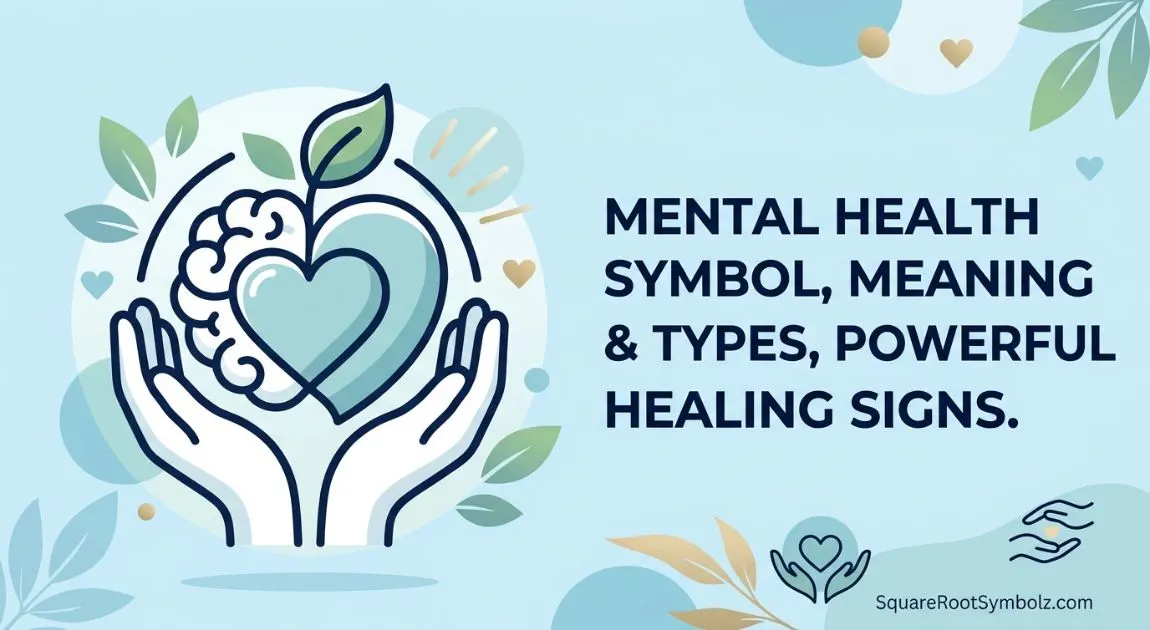
Discover the meaning of every mental health symbol including the semicolon, lotus, phoenix, and green ribbon with healing insights and recovery tips.
Mental health recovery is a personal journey of healing, resilience, and self-discovery. Along the way, many people turn to mental health recovery symbols as visual reminders of hope, strength, and progress. Whether displayed as jewelry, tattoos, artwork, or personal keepsakes, these symbols carry powerful meanings that inspire individuals to keep moving forward despite life’s challenges.
From the well-known semicolon to the graceful lotus flower and the resilient phoenix, each symbol tells a unique story of perseverance and transformation. While no symbol can replace professional mental health care, these meaningful icons often provide comfort, motivation, and a sense of identity throughout the recovery process.
In this guide, you’ll discover the meanings behind the most popular recovery symbols, their cultural and spiritual significance, how they support emotional healing, and ways to choose a symbol that reflects your own journey.
What Are Mental Health Recovery Symbols?
Mental health recovery symbols are visual representations that remind people of healing, resilience, hope, and personal growth. They serve as meaningful reminders that recovery is possible, even during difficult moments.
Unlike medical treatments or therapy, symbols do not heal mental health conditions themselves. Instead, they provide emotional encouragement, reinforce positive thinking, and help individuals express their recovery journey.
Why symbols are important in mental health recovery
Symbols have been used across cultures for centuries to communicate emotions, beliefs, and life experiences. In mental health recovery, they can:
- Represent personal victories over challenges
- Encourage hope during difficult times
- Strengthen emotional resilience
- Promote self-expression
- Create a sense of belonging within supportive communities
Many people choose symbols because they tell a story that words alone cannot fully express.
How they support emotional healing
Visual reminders can positively influence daily habits and emotional well-being. Seeing a meaningful symbol on a necklace, journal, tattoo, or phone wallpaper may encourage positive self-talk and mindfulness.
Combined with therapy, supportive relationships, and healthy coping strategies, recovery symbols can become powerful motivational tools that remind individuals how far they have come.
Most Common Mental Health Recovery Symbols and Their Meanings
Different symbols represent different aspects of emotional healing. Here are some of the most recognized mental health recovery symbols and what they commonly symbolize.
Semicolon
The semicolon is one of the most recognized mental health awareness symbols worldwide.
Inspired by Project Semicolon, it represents the idea that a person’s story is not over. In writing, a semicolon joins two complete thoughts instead of ending a sentence. Likewise, it symbolizes choosing to continue despite life’s struggles.
Common meanings:
- Hope
- Survival
- Suicide prevention awareness
- Depression recovery
- New beginnings
- Personal strength
Many people choose semicolon tattoos to honor their recovery journey or support loved ones facing mental health challenges.
Butterfly
The butterfly symbolizes transformation, change, and freedom.
Just as a caterpillar undergoes a remarkable transformation into a butterfly, individuals in recovery often experience significant emotional and personal growth.
The butterfly represents:
- Positive change
- Personal transformation
- Emotional healing
- Confidence
- Freedom from past struggles
Its gentle beauty reminds people that healing is a gradual process requiring patience and self-compassion.
Lotus Flower
The lotus flower grows in muddy water yet blooms into something beautiful, making it one of the strongest symbols of resilience and healing.
The lotus commonly represents:
- Spiritual growth
- Inner peace
- Healing after hardship
- Wisdom
- Renewal
- Self-discovery
Many people connect the lotus with mindfulness practices because it reflects finding beauty despite difficult circumstances.
Phoenix
The mythical phoenix rises from its own ashes after destruction.
Because of this powerful story, it has become a universal symbol of overcoming adversity.
The phoenix often symbolizes:
- Recovery after trauma
- Emotional resilience
- Courage
- Rebirth
- Starting over
- Personal empowerment
For individuals overcoming anxiety, depression, addiction, or major life challenges, the phoenix represents the possibility of rebuilding a stronger life
Green Ribbon
The green ribbon is widely recognized as an international symbol of mental health awareness.
People wear green ribbons to:
- Support mental health awareness campaigns
- Reduce stigma
- Encourage open conversations
- Show solidarity with those experiencing mental illness
Unlike personal symbols, the green ribbon primarily represents community support and advocacy.
Infinity Symbol
The infinity symbol represents endless possibilities and lifelong growth.
Recovery is rarely a straight path. The infinity symbol reminds people that healing is an ongoing process rather than a destination.
It commonly represents:
- Continuous healing
- Endless hope
- Balance
- Self-acceptance
- Lifelong resilience
Some people combine the infinity symbol with hearts, feathers, or semicolons to create more personalized designs.
Anchor
An anchor keeps ships steady during storms.
In mental health recovery, it symbolizes emotional stability during life’s difficult moments.
The anchor often represents:
- Security
- Stability
- Hope
- Grounding
- Faith
- Emotional balance
Many therapists also recommend grounding techniques during anxiety episodes, making the anchor an especially meaningful symbol for emotional regulation.
Medusa
In recent years, Medusa has become a powerful symbol of survival, empowerment, and reclaiming personal strength after trauma.
Although rooted in Greek mythology, many survivors have embraced Medusa as a reminder that difficult experiences do not define their future.
Common meanings include:
- Survival
- Empowerment
- Personal strength
- Healing from trauma
- Courage
The interpretation of Medusa can vary, making it a deeply personal symbol.
Potentilla Flower
The Potentilla flower is less widely known but is associated with hope, endurance, and emotional resilience.
Its five petals have historically symbolized harmony and balance in various traditions.
People may choose this flower to represent:
- Quiet strength
- Recovery
- Optimism
- Perseverance
- Emotional healing
Its subtle appearance makes it a meaningful choice for those seeking a unique recovery symbol.
Religious and Cultural Symbols of Mental Health Recovery
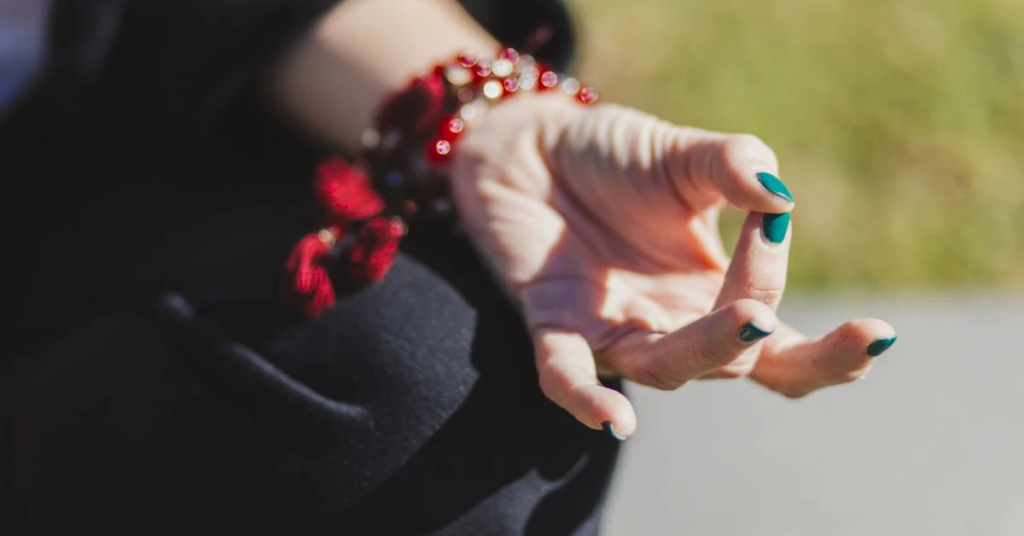
Across history, cultures and religions have used symbols to represent healing, renewal, and spiritual strength. While their meanings differ, many continue to inspire people on their mental health recovery journey.
Christian Cross
For many Christians, the cross represents faith, sacrifice, forgiveness, hope, and redemption.
During difficult times, it can remind believers that healing often comes through faith, perseverance, and community support.
Om Symbol
The Om symbol is one of the most sacred symbols in Hinduism and is closely connected with meditation and inner peace.
Many people associate Om with:
- Spiritual awareness
- Calmness
- Mindfulness
- Emotional balance
- Inner healing
Because meditation plays an important role in stress management, the Om symbol has become popular among people seeking emotional wellness regardless of religious background.
Celtic Knot
The Celtic Knot has no beginning or end, symbolizing life’s continuous journey.
In mental health recovery, it often represents:
- Eternal strength
- Connection
- Balance
- Personal growth
- Endurance
Its endless design reminds people that healing is a lifelong process rather than a single destination.
Cherry Blossom
Cherry blossoms bloom beautifully but only for a short time, making them a symbol of life’s changing seasons.
For many people, they represent:
- Hope
- Renewal
- Acceptance of change
- Living in the present
- Appreciating life’s beauty
Their delicate nature encourages mindfulness and gratitude, both of which can support emotional well-being.
Medicine Wheel
The Medicine Wheel is a sacred symbol in many Indigenous cultures of North America. While its meaning varies between communities, it commonly represents balance, harmony, and the interconnectedness of life.
In the context of mental health recovery, the Medicine Wheel reminds people that healing involves caring for every part of themselves:
- Emotional well-being
- Mental health
- Physical health
- Spiritual wellness
It encourages a holistic approach to recovery, where lasting healing comes from maintaining balance rather than focusing on only one aspect of life.
Note: The Medicine Wheel has deep cultural and spiritual significance. Its meanings differ among Indigenous Nations, so it should be approached with respect and an understanding of its cultural context.
Yin Yang (Optional)
The Yin Yang symbol comes from Chinese philosophy and represents the balance of opposite forces.
It symbolizes:
- Balance between emotions
- Light after darkness
- Harmony
- Acceptance
- Personal growth
For many people recovering from anxiety, depression, or emotional trauma, Yin Yang serves as a reminder that difficult emotions are a natural part of life and that balance can return over time.
Tree of Life (Optional)
The Tree of Life appears in many cultures and religions around the world.
It is commonly associated with:
- Growth
- Wisdom
- Healing
- Connection
- Family
- New beginnings
- Strength
Its deep roots symbolize stability, while its branches reaching toward the sky represent continuous personal growth and hope for the future
What Does Each Mental Health Recovery Symbol Represent?
Although every symbol has its own history, many share common themes that resonate with people on their recovery journey.
Hope
Hope is often represented by:
- Semicolon
- Green Ribbon
- Butterfly
- Cherry Blossom
These symbols remind individuals that difficult seasons are temporary and brighter days are possible.
Strength
Symbols commonly associated with strength include:
- Phoenix
- Anchor
- Celtic Knot
- Tree of Life
They represent perseverance through adversity and the courage to continue moving forward.
Healing
If you’re looking for a symbol for healing, these are among the most meaningful choices:
| Symbol | Healing Meaning |
| Lotus Flower | Emotional and spiritual healing |
| Om Symbol | Inner peace and mindfulness |
| Medicine Wheel | Holistic healing |
| Tree of Life | Growth and renewal |
| Butterfly | Personal transformation |
Resilience
Resilience is the ability to recover after setbacks.
Popular resilience symbols include:
- Phoenix
- Semicolon
- Anchor
- Infinity Symbol
Each reflects the idea that challenges do not define a person’s future.
Growth
Personal growth is symbolized by:
- Butterfly
- Lotus Flower
- Tree of Life
- Cherry Blossom
These symbols encourage continuous learning, healing, and self-improvement.
New Beginnings
Many recovery journeys involve starting over.
Symbols representing fresh starts include:
- Phoenix
- Butterfly
- Semicolon
- Cherry Blossom
Each reminds us that every day offers another opportunity to move forward.
Self Love
Self-love plays a major role in emotional recovery.
People often associate these symbols with self-compassion:
- Lotus Flower
- Infinity Symbol
- Butterfly
These remind individuals to treat themselves with kindness and patience.
Inner Peace
Symbols connected with calmness include:
- Om
- Lotus Flower
- Yin Yang
- Medicine Wheel
They encourage mindfulness, emotional balance, and acceptance.
Why Symbols Help in Mental Health Recovery
Symbols alone cannot treat mental health conditions, but they can complement therapy, self-care, and support systems by serving as meaningful reminders of healing and progress.
Psychological Benefits
Visual symbols can reinforce positive beliefs and encourage healthier thought patterns.
Benefits may include:
- Increased motivation
- Greater emotional awareness
- Reduced feelings of isolation
- Stronger personal identity
- Hope during difficult moments
Emotional Connection
Many people form deep emotional connections with symbols because they represent personal experiences rather than abstract ideas.
A small necklace, tattoo, or bracelet can remind someone of how much they’ve overcome.
Art Therapy
Art therapy encourages people to express emotions through creative activities.
Many therapists use symbols during:
- Painting
- Drawing
- Sculpting
- Journaling
- Collage making
Creating symbolic artwork can help individuals process emotions that may be difficult to express verbally.
Mindfulness and Meditation
Symbols often become visual anchors during meditation.
People may focus on:
- The Lotus Flower
- Om
- Mandalas
- Tree of Life
These symbols encourage breathing exercises, relaxation, and present-moment awareness.
Identity and Self Expression
Recovery is deeply personal.
Choosing a meaningful symbol allows individuals to express:
- Their values
- Their journey
- Their resilience
- Their hopes for the future
For many people, these symbols become part of their personal identity.
Mental Health Recovery Symbol Tattoos and Their Meanings
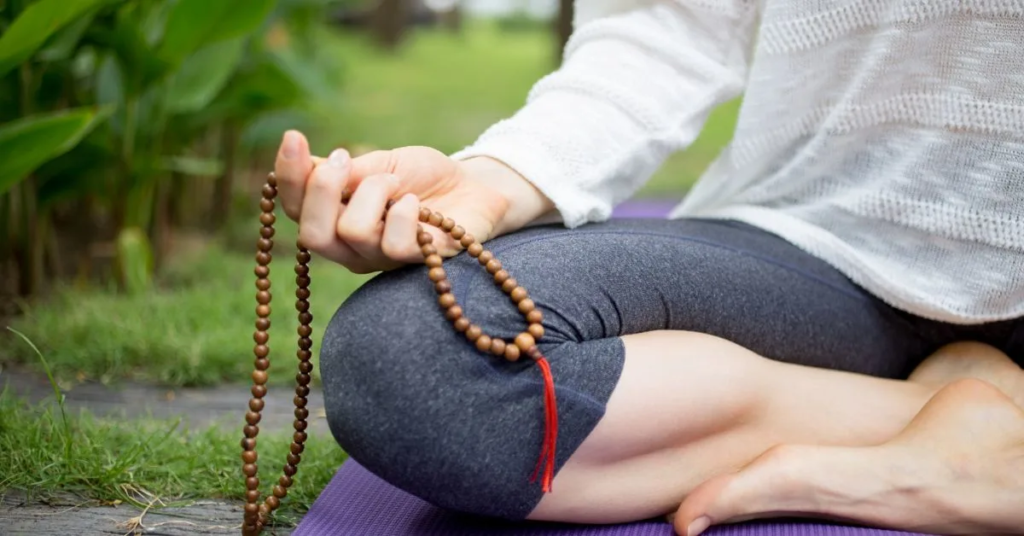
Recovery tattoos have become increasingly popular because they serve as permanent reminders of resilience and hope.
Why People Choose Recovery Tattoos
People choose recovery tattoos to:
- Celebrate healing
- Honor personal growth
- Remember difficult experiences
- Inspire daily motivation
- Support mental health awareness
For some, a tattoo represents an important milestone in their recovery journey.
Popular Tattoo Designs
Some of the most meaningful mental health tattoo ideas include:
- Semicolon
- Butterfly
- Lotus Flower
- Phoenix
- Anchor
- Infinity Symbol
- Tree of Life
- Green Ribbon
- Celtic Knot
Many people personalize these designs by adding meaningful dates, initials, flowers, or inspirational words.
Best Tattoo Placements
Popular tattoo placements include:
- Wrist
- Forearm
- Shoulder
- Collarbone
- Behind the ear
- Ankle
- Back
- Rib cage
The best placement depends on personal preference, visibility, and the size of the design.
Things to Consider Before Getting One
Before getting a recovery tattoo:
- Choose a symbol with personal meaning.
- Research its cultural or religious significance.
- Work with a skilled tattoo artist.
- Think carefully about placement.
- Remember that healing is personal, and your symbol should reflect your own journey rather than someone else’s.
How to Choose or Create Your Own Mental Health Recovery Symbol
The most meaningful recovery symbol is one that reflects your personal experiences, values, and goals. It doesn’t have to be a traditional symbol—as long as it reminds you of healing and growth, it can become a powerful part of your recovery journey.
Personal Meaning
Ask yourself:
- What challenge have I overcome?
- What gives me hope?
- What values guide my recovery?
- What reminds me to keep moving forward?
Your answers can help you choose a symbol that genuinely represents your story.
Colors and Shapes
Colors and shapes often carry emotional meanings.
| Color | Common Meaning |
| Green | Healing, renewal, hope |
| Blue | Calmness, peace, trust |
| Purple | Wisdom, spirituality |
| White | New beginnings, clarity |
| Yellow | Optimism, happiness |
Simple shapes can also hold meaning:
- Circle – Wholeness and unity
- Heart – Love and compassion
- Spiral – Personal growth
- Triangle – Strength and balance
Journaling Ideas
Writing about your recovery journey can help you discover symbols that feel meaningful.
Try prompts like:
- “What makes me feel strongest?”
- “What reminds me of hope?”
- “What image best represents my healing?”
- “How has my life changed since I began recovery?”
These reflections often reveal deeply personal symbols.
Creating a Personal Symbol
You don’t have to choose an existing design.
Many people create their own by combining elements such as:
- A favorite flower
- An inspirational word
- A meaningful date
- A geometric shape
- A nature-inspired design
- A meaningful quote
A custom symbol can become a unique reminder of your resilience and progress.
How to Use Mental Health Recovery Symbols in Everyday Life
Recovery symbols don’t have to be permanent tattoos. They can become small daily reminders that encourage positive habits and emotional well-being.
Jewelry
Necklaces, bracelets, rings, and keychains featuring meaningful symbols allow people to carry reminders of hope wherever they go.
Popular jewelry symbols include:
- Semicolon
- Lotus Flower
- Butterfly
- Anchor
- Infinity Symbol
Phone Wallpaper
A recovery symbol on your phone’s lock screen can serve as a gentle reminder throughout the day.
Choose an image that inspires:
- Calmness
- Gratitude
- Confidence
- Healing
Artwork
Displaying symbolic artwork at home or in your workspace creates an encouraging environment.
Ideas include:
- Canvas paintings
- Digital illustrations
- Inspirational posters
- Handmade crafts
Artwork can reflect your personal recovery journey while adding beauty to your surroundings.
Vision Boards
Vision boards combine images, quotes, and symbols that represent your goals.
Include items that inspire:
- Hope
- Self-care
- Confidence
- Healthy relationships
- Emotional growth
Reviewing your vision board regularly can reinforce positive thinking and long-term motivation.
Meditation
Recovery symbols can become a focus during mindfulness or breathing exercises.
For example:
- Sit comfortably.
- Hold or look at your chosen symbol.
- Take slow, deep breaths.
- Reflect on the meaning it holds for you.
- Repeat a positive affirmation.
This simple practice can encourage relaxation and emotional balance.
Daily Affirmations
Pair your recovery symbol with encouraging affirmations such as:
- “I am stronger than my struggles.”
- “Healing takes time, and I honor my progress.”
- “Every day is a new beginning.”
- “I deserve peace and happiness.”
- “My story is still being written.”
Repeating affirmations while focusing on your chosen symbol can help build confidence and resilience.
Mental Health Recovery Symbols in Popular Culture
Recovery symbols have become more visible through books, films, public figures, and awareness campaigns, helping reduce stigma around mental health.
Books
Many self-help and mental wellness books use symbolic themes such as butterflies, trees, or rising from the ashes to illustrate healing and personal transformation.
These stories encourage readers to embrace resilience and view recovery as a journey rather than a destination.
Movies
Films often use symbolism to represent emotional healing.
Common visual themes include:
- Butterflies for transformation
- Light after darkness for hope
- Trees for growth
- Water for renewal
- Birds for freedom
These images help audiences connect emotionally with characters overcoming adversity.
Celebrities
Several public figures have shared their mental health journeys, helping normalize conversations around emotional well-being. Some have chosen meaningful tattoos, including semicolons, butterflies, or inspirational symbols, to represent resilience and recovery.
Their openness has encouraged many people to seek support and speak more freely about mental health.
Awareness Campaigns
Global mental health campaigns frequently use symbols to promote understanding and reduce stigma.
Common examples include:
- Green Ribbon
- Semicolon
- Awareness bracelets
- Community artwork
- Mental health walks and events
These campaigns remind people that they are not alone and that support is available.
Social Media Movements
Social media has helped recovery symbols reach millions of people worldwide.
Popular hashtags include:
- #MentalHealthAwareness
- #EndTheStigma
- #RecoveryJourney
- #YouAreNotAlone
- #HealingTogether
These online communities provide encouragement, education, and a sense of belonging for people navigating their own recovery.
Conclusion
Mental health recovery symbols are powerful reminders of hope, resilience, and personal transformation. Whether you connect with the semicolon, lotus flower, phoenix, butterfly, or another meaningful design, these symbols can inspire strength and encourage you to keep moving forward through life’s challenges.
While symbols provide comfort and motivation, they work best alongside healthy coping strategies, supportive relationships, and professional mental health care when needed. Recovery is not about perfection it’s about progress. Choosing a symbol that reflects your unique story can serve as a daily reminder of how far you’ve come and the brighter future you’re continuing to build.
FAQs
What is the most common mental health recovery symbol?
The semicolon is one of the most widely recognized mental health recovery symbols, representing hope, resilience, and the decision to keep moving forward.
What symbol represents healing from trauma?
The phoenix and lotus flower are commonly associated with healing from trauma because they symbolize renewal, strength, and transformation after hardship.
What does the semicolon symbolize?
A semicolon symbolizes that a person’s story continues despite challenges, making it a powerful reminder of hope and perseverance.
What is the green ribbon used for?
The green ribbon represents mental health awareness, helping promote education, reduce stigma, and encourage support for those experiencing mental health challenges.
Which flower symbolizes emotional healing?
The lotus flower is widely regarded as a symbol of emotional healing, resilience, inner peace, and spiritual growth.
Can I create my own recovery symbol?
Yes. A personal recovery symbol can combine meaningful colors, shapes, words, or images that reflect your unique healing journey.
What tattoo symbolizes mental health recovery?
Popular mental health recovery tattoos include the semicolon, butterfly, lotus flower, phoenix, anchor, infinity symbol, and Tree of Life.
What color represents mental health awareness?
Green is the internationally recognized color for mental health awareness and symbolizes hope, healing, and renewal.

I’m the creator of SquareRootSymbolz.com, where I publish easy-to-understand guides on symbols, Unicode characters, Alt codes, keyboard shortcuts, and copy-and-paste text symbols. My goal is to provide accurate, well-researched, and user-friendly content that helps readers quickly find the information they need.