Discover the Tree of Life Symbol, symbolism, history, and cultural significance. Learn why this ancient symbol represents growth, wisdom, and renewal.
The Tree of Life Symbol is one of the oldest and most meaningful symbols in human history. Found in ancient civilizations, world religions, mythology, and modern art, it represents the interconnectedness of all living things. From the Celtic Tree of Life to Yggdrasil in Norse mythology and the Biblical Tree of Life, this timeless symbol has inspired people for thousands of years.
Today, the Tree of Life is more than a historical icon. It appears in jewelry, tattoos, home décor, artwork, and spiritual practices, reminding us of growth, strength, wisdom, family, balance, and renewal. Whether you are exploring its history or choosing a meaningful design, understanding its symbolism helps you appreciate why it remains one of the world’s most recognized symbols.
What Is the Tree of Life?
Definition of the Tree of Life
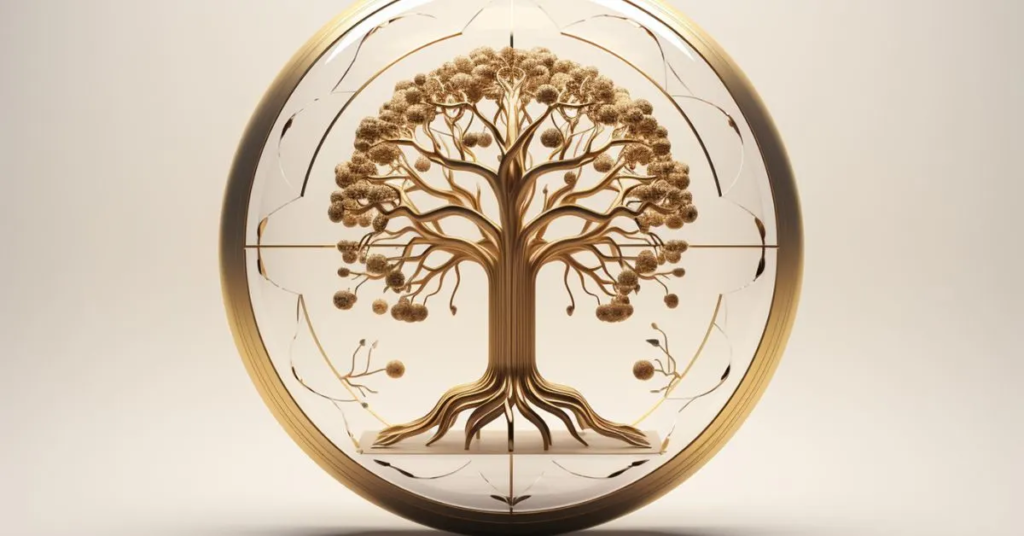
The Tree of Life is a symbolic representation of life, growth, and the connection between all living beings. Its roots reach deep into the earth while its branches stretch toward the sky, illustrating the bond between the physical and spiritual worlds.
Across cultures, the Tree of Life commonly symbolizes:
- Growth
- Strength
- Wisdom
- Family
- Balance
- Hope
- Eternal Life
Quick Overview
| Part of the Tree | Symbolic Meaning |
| Roots | Stability, heritage, strong foundations |
| Trunk | Strength, resilience, perseverance |
| Branches | Growth, opportunities, aspirations |
| Leaves | Renewal, hope, prosperity |
| Circle | Unity, eternity, interconnectedness |
Why the Tree of Life Is a Universal Symbol
The Tree of Life appears in cultures around the world because trees have always been essential for survival. They provide shelter, food, oxygen, and protection, making them a natural symbol of life itself.
Although interpretations vary, nearly every culture associates the Tree of Life with:
- The cycle of life
- Personal growth
- Harmony with nature
- Family and ancestry
- Spiritual connection
Why the Tree of Life Is Still Popular Today
The Tree of Life remains popular because its meaning is timeless. It speaks to people of all backgrounds and beliefs, making it one of the most versatile symbols used in jewelry, tattoos, artwork, gifts, and home décor.
The History and Origin of the Tree of Life
The Tree of Life has been part of human history for thousands of years, appearing in mythology, religion, and ancient art.
Ancient Civilizations
Some of the earliest Tree of Life images were discovered in Ancient Egypt and Mesopotamia, where sacred trees symbolized fertility, creation, abundance, and divine protection.
These civilizations believed the tree connected heaven, earth, and the underworld.
The Tree of Life in Early Religions
The Tree of Life appears in several major religions.
Christianity
In the Bible, the Tree of Life first appears in the Garden of Eden and later represents eternal life in the Book of Revelation.
Hinduism
Hindu traditions describe the cosmic tree as a symbol of creation, wisdom, and the continuous cycle of life.
Buddhism
The Bodhi Tree, under which Siddhartha Gautama attained enlightenment, represents wisdom, awakening, and inner peace.
How the Symbol Evolved Over Time
Over centuries, the Tree of Life evolved from a sacred religious symbol into a universal representation of hope, resilience, family, and personal growth.
Tree of Life Meaning and Symbolism
The Tree of Life carries many powerful meanings that continue to inspire people today.
Growth and Personal Development
Like a tree that grows stronger every year, people develop through learning, experience, and perseverance.
Strength and Resilience
Trees survive storms, harsh weather, and changing seasons. For this reason, the Tree of Life symbolizes endurance and the ability to overcome life’s challenges.
Family and Connection
Its roots and branches represent generations connected through love, heritage, and shared experiences.
Wisdom and Knowledge
Many ancient cultures believed sacred trees represented knowledge and enlightenment, encouraging lifelong learning.
Eternal Life and Immortality
Because trees bloom year after year, they symbolize renewal, continuity, and the endless cycle of life.
Balance and Harmony
The deep roots and wide branches illustrate the importance of balancing physical, emotional, and spiritual well-being.
Hope and Renewal
Every new season reminds us that growth follows hardship, making the Tree of Life a lasting symbol of hope.
Tree of Life Symbolism Across Different Cultures
Celtic Tree of Life
The Celtic Tree of Life represents harmony, protection, wisdom, and the eternal relationship between humanity and nature.
Norse Tree of Life (Yggdrasil)
In Norse mythology, Yggdrasil is the great world tree connecting the Nine Realms and symbolizing the structure of the universe.
Biblical Tree of Life
The Biblical Tree of Life symbolizes eternal life, God’s presence, and spiritual fulfillment.
Kabbalah Tree of Life
In Jewish mysticism, the Tree of Life represents the relationship between humanity and the Divine through ten interconnected spiritual attributes.
Hindu Tree of Life
The Hindu Tree of Life symbolizes creation, abundance, and the continuous cycle of birth, death, and rebirth.
Buddhist Tree of Life
Inspired by the Bodhi Tree, it represents enlightenment, compassion, mindfulness, and spiritual awakening.
Chinese Tree of Life
Chinese traditions associate the Tree of Life with prosperity, longevity, happiness, and family unity.
Spiritual Meaning of the Tree of Life
For many people, the Tree of Life is a reminder of their spiritual journey.
Spiritual Growth
It encourages continuous self-improvement and personal transformation.
Inner Peace
Its steady presence reminds us to remain grounded during life’s changes.
Connection Between Heaven and Earth
Its roots and branches symbolize the connection between the earthly and spiritual realms.
Life, Death, and Rebirth
The changing seasons illustrate that every ending creates a new beginning.
Energy and Healing
Many people believe the Tree of Life represents emotional healing, positive energy, and spiritual balance.
Tree of Life in Modern Culture
The Tree of Life continues to inspire people around the world.
- Jewelry: Symbolizes family, protection, and love.
- Tattoos: Represents personal growth, resilience, or remembrance.
- Home Décor: Adds beauty while symbolizing harmony and peace.
- Art and Paintings: Reflects creativity and the beauty of nature.
- Fashion: Appears on clothing and accessories as a meaningful design.
- Gifts: A thoughtful choice for weddings, birthdays, anniversaries, and memorials.
Popular Tree of Life Designs and Their Meanings
| Design | Meaning |
| Celtic Design | Balance, eternity, protection |
| Family Tree | Heritage and family bonds |
| Minimalist Design | Simplicity and personal growth |
| Mandala Design | Harmony and spiritual awareness |
| Watercolor Design | Creativity and transformation |
| Heart Tree | Love, compassion, and unity |
Tree of Life vs Other Sacred Tree Symbols
Tree of Life vs Tree of Knowledge
The Tree of Life symbolizes eternal life and connection, while the Tree of Knowledge represents wisdom and moral understanding.
Tree of Life vs Yggdrasil
Yggdrasil is the sacred world tree in Norse mythology, whereas the Tree of Life is a universal symbol found across many traditions.
Tree of Life vs Bodhi Tree
The Bodhi Tree is the specific tree under which Buddha attained enlightenment, while the Tree of Life represents the broader concepts of growth, life, and interconnectedness.
Final Thoughts
The Tree of Life has remained one of humanity’s most enduring symbols because its meaning is timeless. Across ancient civilizations, religions, and cultures, it has represented growth, strength, wisdom, family, renewal, and the deep connection between all forms of life. Whether displayed as jewelry, artwork, tattoos, or home décor, the Tree of Life continues to inspire people to stay rooted in their values while embracing growth and new opportunities.
FAQs
What does the Tree of Life symbolize?
It symbolizes growth, wisdom, family, strength, balance, hope, and the interconnectedness of all living things.
Is the Tree of Life a religious symbol?
Yes, it appears in several religions, but it is also widely recognized as a universal cultural and spiritual symbol.
What is the Celtic Tree of Life?
It is an ancient Celtic symbol representing harmony, protection, and the eternal cycle of life.
What does the Tree of Life represent spiritually?
It represents spiritual growth, inner peace, wisdom, healing, and the connection between heaven and earth.
Why do people wear Tree of Life jewelry?
Many wear it to symbolize family, love, resilience, protection, and personal growth.
Is the Tree of Life good luck?
Many cultures consider it a symbol of prosperity, positive energy, protection, and good fortune.
What is the difference between the Tree of Life and the Tree of Knowledge?
The Tree of Life represents eternal life and unity, while the Tree of Knowledge symbolizes wisdom and moral choice.
Can anyone wear the Tree of Life symbol?
Yes. The Tree of Life is a universal symbol appreciated by people of all cultures, religions, and backgrounds.

I’m the creator of SquareRootSymbolz.com, where I publish easy-to-understand guides on symbols, Unicode characters, Alt codes, keyboard shortcuts, and copy-and-paste text symbols. My goal is to provide accurate, well-researched, and user-friendly content that helps readers quickly find the information they need.