The registered trademark symbol (®) indicates that a trademark has been officially registered with the appropriate government trademark office. It notifies the public that the owner has exclusive legal rights to use that brand name, logo, slogan, or other identifying mark for specific goods or services.
Unlike the ™ trademark symbol, which anyone can use to claim rights in an unregistered mark, the ® symbol is reserved for trademarks that have successfully completed trademark registration.
Quick Answer
| Symbol | Meaning | Registration Required? |
| ™ | Unregistered trademark | No |
| ® | Registered trademark | Yes |
| © | Copyright protection | No (automatic in many countries) |
| ℠ | Unregistered service mark | No |
What Does the Registered Trademark Symbol Mean?
The registered trademark symbol serves as legal notice that a trademark has been registered under applicable trademark law.
It tells competitors and consumers that the owner has enforceable rights over the mark and may take legal action against unauthorized use.
Common items protected by a registered trademark include:
- Business names
- Product names
- Company logos
- Brand slogans
- Packaging designs (in some cases)
When Can You Legally Use the ® Symbol?
You may only use the ® symbol after your trademark has been officially registered by the relevant trademark authority.
Using it before approval can violate trademark laws in many jurisdictions and may result in penalties.
You Can Use ® If:
- Your trademark application has been approved.
- Registration is active.
- The mark is used for the registered goods or services.
You Should NOT Use ® If:
- Your application is pending.
- You only filed an application.
- You’re relying on common-law rights.
- The mark has not been registered.
Why Is the Registered Trademark Symbol Important?
Using the ® symbol offers several advantages.
Stronger Brand Protection
A registered trademark makes it easier to stop unauthorized use of your brand identity.
Public Notice
The symbol warns competitors that your mark has legal protection.
Greater Legal Benefits
Registration often provides:
- Easier enforcement
- Evidence of ownership
- Stronger position during infringement disputes
- Increased business value
These benefits depend on the applicable laws in the jurisdiction where the trademark is registered.
Registered Trademark Symbol vs Trademark Symbol
| Feature | ™ | ® |
| Registration Required | No | Yes |
| Legal Status | Claimed trademark | Officially registered |
| Government Approval | Not required | Required |
| Stronger Legal Rights | Limited | Yes |
| Common Usage | Startups, new brands | Established registered brands |
A good rule is:
- Use ™ while your application is pending.
- Switch to ® after registration is granted.
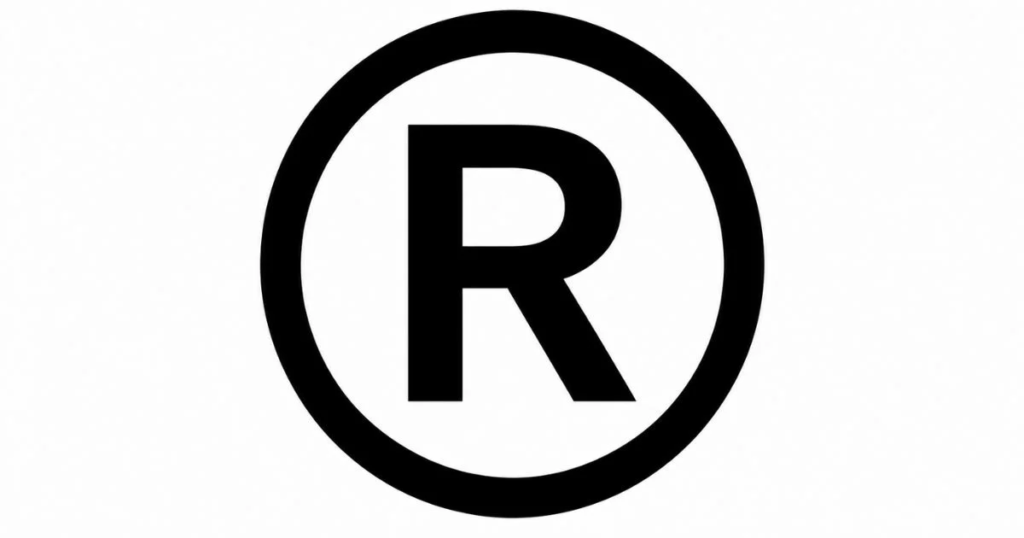
Examples of Registered Trademark Symbols
You’ll often see the ® symbol attached to famous brands.
Examples include:
- Nike®
- Coca-Cola®
- Microsoft®
- Intel®
The symbol usually appears in the upper-right corner of the logo or immediately after the product name.
Where Should the ® Symbol Be Placed?
For consistency and readability, place the symbol:
- Immediately after the trademark
- Slightly above the text (superscript is common)
- On the first or most prominent appearance of the mark
Common locations include:
- Website headers
- Product packaging
- Labels
- Advertisements
- Marketing brochures
- Mobile apps
There is generally no legal requirement that every mention of the mark include the symbol, but businesses often mark the first or most prominent use.Here is om symbol.
How to Type the Registered Trademark Symbol (®)
| Device | Shortcut |
| Windows | Alt + 0174 |
| Mac | Option + R |
| iPhone | Copy & Paste ® |
| Android | Long-press symbols or copy & paste |
| HTML | ® or ® |
| Microsoft Word | Insert → Symbol |
| Google Docs | Insert → Special Characters |
Common Mistakes to Avoid
Many businesses misuse trademark symbols.
Avoid these mistakes:
- Using ® before registration
- Confusing copyright vs trademark
- Using ™ and ® interchangeably
- Forgetting to update branding after registration
- Placing ® on products not covered by the registration
Best Practices for Using the Registered Trademark Symbol
To protect your intellectual property, follow these practices:
- Register your trademark first.
- Use the ® symbol consistently.
- Monitor unauthorized use.
- Renew registrations on time.
- Keep branding consistent across all platforms.
Final Thoughts
The registered trademark symbol (®) is much more than a small character beside a logo. It signals that your brand name, logo, or slogan has completed trademark registration and enjoys legal protection under applicable trademark law. Used correctly, it strengthens brand protection, deters infringement, and reinforces your business’s credibility.
If your trademark has not yet been registered, use ™ (or ℠ for services where appropriate) until registration is complete. Once approved, update your branding to include the ® symbol wherever your registered mark appears, helping customers and competitors recognize your protected intellectual property.
FAQs
Can I use the ® symbol without registering a trademark?
No. The ® symbol should only be used after official trademark registration.
Can I use ™ instead of ®?
Yes. ™ is commonly used before registration or when relying on unregistered trademark rights.
Is the ® symbol required?
Not always. However, displaying it provides public notice of your registered rights and may strengthen enforcement in some jurisdictions.
Does a logo need a registered trademark symbol?
Only if the logo itself is registered as a trademark.
Is copyright the same as a registered trademark?
No. Copyright protects original creative works, while a registered trademark protects names, logos, slogans, and other brand identifiers.

I’m the creator of SquareRootSymbolz.com, where I publish easy-to-understand guides on symbols, Unicode characters, Alt codes, keyboard shortcuts, and copy-and-paste text symbols. My goal is to provide accurate, well-researched, and user-friendly content that helps readers quickly find the information they need.